
It was late in September when I looked out through my patio door and spotted something wonderful. Tucked beside my cats’ food bowls was a mother hedgehog, accompanied by two tiny babies, happily munching away under the moonlight.
Seeing young hoglets so late in the year is always exciting, but it brings a little worry, too. With the cold weather approaching, do they have enough time to bulk up for winter? If you want to make your outdoor space a safe refuge for these prickly visitors, helping hedgehogs in your garden is far simpler than you might think. From essential autumn feeding tips to garden safety checks, here is everything you need to know to care for your local wildlife this season.

1. What to Feed (and What to Avoid)
For generations, leaving out a saucer of bread and milk was the go-to advice for feeding hedgehogs. Today, we know this does far more harm than good:
- Why Avoid Milk? Hedgehogs are severely lactose intolerant. Drinking cow’s milk causes severe stomach upsets, dehydration, and life-threatening diarrhea.
- Why Avoid Bread? Bread offers virtually no nutritional value, filling their stomachs with empty calories instead of the fat and protein they need for hibernation.
- Avoid Mealworms & Peanuts: While hedgehogs love them, mealworms and peanuts are extremely high in phosphorus and low in calcium. Overconsumption leads to Metabolic Bone Disease, which weakens their skeletons and leaves them unable to forage.
What to Feed Instead:
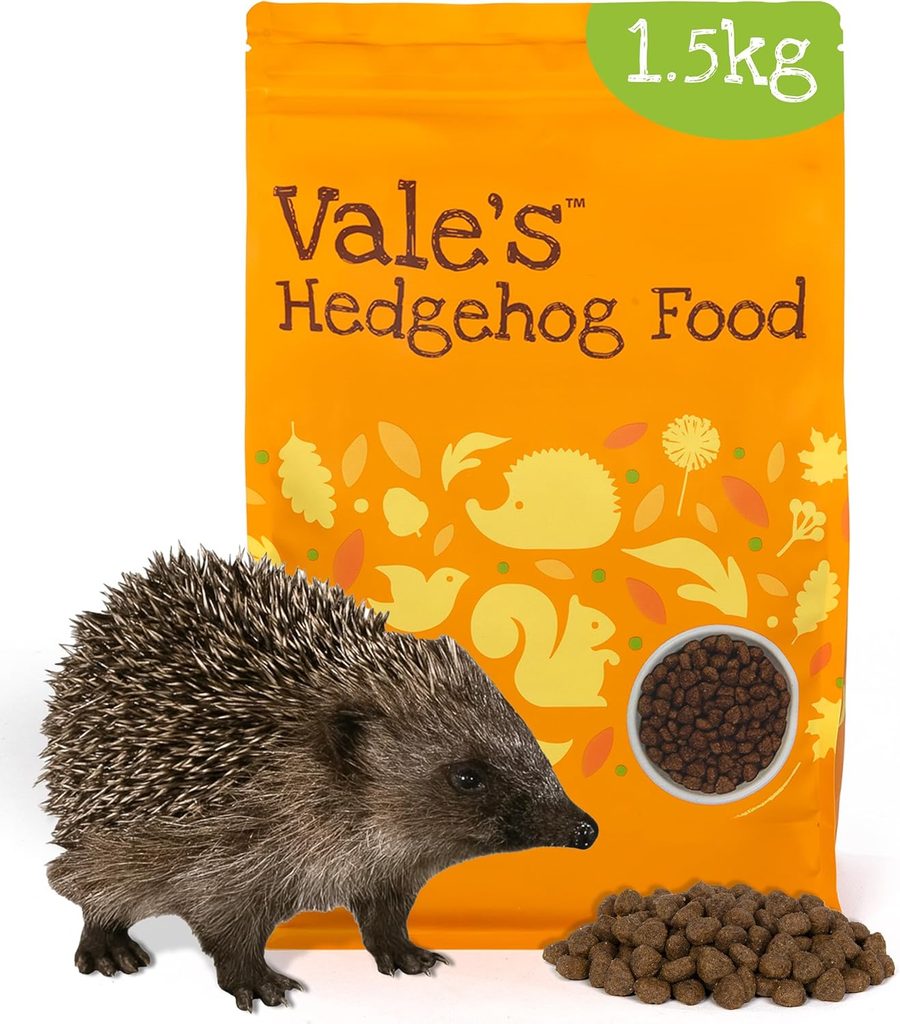
- Meat-Based Dry Cat or Dog Kibble: Small meat or chicken flavoured biscuits are ideal and help keep their teeth clean.
- Wet Meat-Based Pet Food: Wet cat or dog food works well, just stick to non-fish varieties.
- Commercial Hedgehog Food: High-quality dry hedgehog food where meat is listed as the primary ingredient.
- Fresh Water: Always provide a shallow dish of fresh, clean water every night.
2. Creating a Safe Hedgehog Habitat
A pristine, manicured garden offers very little for wildlife. Leaving a few wild corners makes a huge difference:
Create a Hedgehog Highway: Hedgehogs can travel up to a mile each night searching for food and mates. Cutting a small 13cm x 13cm (5in x 5in) gap at the base of your garden fence allows them to roam freely between gardens without stepping onto dangerous roads. This increases the areas they can forage for food and also gives them more chances to meet other hedgehogs!
Leave an Autumn Leaf Pile: Fallen leaves provide nesting material for winter hibernation and harbor beetles, caterpillars, and earthworms.
Build a Log Stack: A simple pile of rotting wood creates a rich ecosystem for insects—the natural diet of a wild hedgehog.
Provide Purpose-Built Shelter: A dedicated hibernation house offers safe protection from predators and winter weather. Explore our full recommendations in our guide to the Best Hedgehog Houses for Your Garden or you can improvise by making your own.
3. Critical Garden Hazards to Eliminate
Before doing autumn tidying or winter garden prep, taking a few simple precautions around your garden can prevent serious harm to hedgehogs:
Ditch the Slug Pellets: Chemical slug bait contains metaldehyde or iron phosphate formulations that directly poison hedgehogs or eliminate their primary natural food source. Switch to wildlife-friendly pest control methods such as copper tape, beer traps, or manually clearing slugs in the evening.
Check Bonfires Before Lighting: Unlit piles of autumn leaves, twigs, and dry garden waste look like paradise to a hedgehog searching for a snug winter nest. Always rebuild or thoroughly check bonfires on the exact day you plan to light them, poking gently around the base with a broom handle rather than a sharp fork.
Add Pond Ramps: Hedgehogs are actually decent swimmers, but steep, slippery pond liners make it impossible for them to climb out once they fall in. Place a sloped wooden ramp, half-submerged rocks, or a piece of chicken wire along the edge to give them an easy exit route.
Strimmer & Netting Safety: Thick undergrowth and long grass are favorite daytime resting spots. Always check brambles and tall weeds with your gloved hands before using strimmers or mowers. Additionally, keep garden netting, fruit nets, and tennis nets pulled taut and elevated at least 20cm off the ground so roaming hedgehogs don’t get tangled in them.
Check Compost Heaps: Warm, decaying compost heaps are prime hibernation spots. Before plunging a garden fork into your compost pile to turn it over, carefully inspect the edges and top layers for sleeping wildlife.

4. When Do Hedgehogs Hibernate?
In the UK, hedgehogs typically go into hibernation as the weather turns cold and their natural food sources (insects, earthworms, and beetles) dry up, usually between November and March.
However, hibernation isn’t a fixed calendar date and depends heavily on temperatures:
- Mild Autumns: If late September and October remain mild, hedgehogs will stay active much longer, building up crucial fat reserves.
- Winter Waking: Hedgehogs don’t actually sleep uninterrupted all winter! It is completely normal for them to wake up on milder winter nights to move nests, stretch, or look for fresh water.
- Late Litters – Autumn Orphans: Female hedgehogs sometimes have a second litter in late summer (August or September). These hoglets face a race against time to reach their target weight before the hard frosts hit in November.
5. What to do if you Spot a Hedgehog in Distress
Knowing when to intervene can save a wild hedgehog’s life:
Daytime Sightings
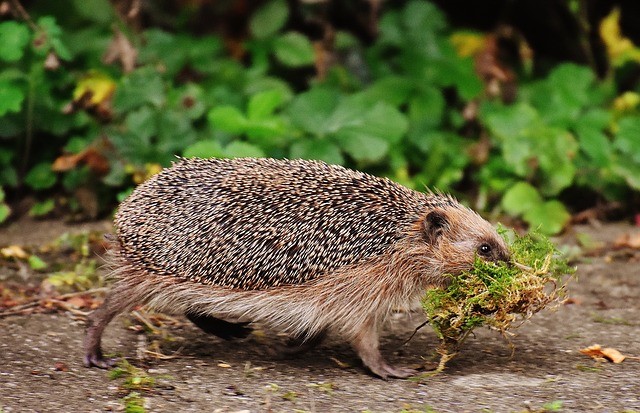
Hedgehogs are strictly nocturnal. If you see a hedgehog out during the day, it almost always needs urgent help. The only exception to this is during the summer months when female hedgehogs may forage for nesting materials in the afternoons.
If a daytime hedgehog appears wobbly, thin, lethargic, or is sunbathing on a lawn, act immediately:
- Call a Local Wildlife Rescue: Contact your nearest hedgehog rescue or the British Hedgehog Preservation Society (BHPS) on 01584 890801 for immediate medical guidance.
- Find a High-Sided Cardboard Box: Line the bottom with clean, scrunched-up newspaper or old towels. (Avoid straw or hay, as these can wrap tightly around legs or contain ringworm spores).
- Provide Gentle Heat: Fill a hot water bottle with warm (not scalding) water, wrap it securely in a towel, and place it inside the box.
- Keep Them Quiet: Gently lift the hedgehog using thick gardening gloves, place them next to the heat source, and cover the box loosely with a towel to keep it dark and calm.
- Offer Water & Food: Place a shallow dish of water and a small spoonful of cat food inside.
The Autumn Weight Check
Before going into hibernation, an adult hedgehog needs to weigh at least 600g to survive until spring. If you see small young hedgehogs wandering your garden late in October or November, they likely lack the fat reserves needed to hibernate safely.
6. What About Hedgehog Parasites?
It is common for wild hedgehogs to carry ticks and fleas:
Hedgehog Fleas: These host-specific fleas (Archaeopsylla erinacei) will not live or breed on cats, dogs, or inside human homes.
Ticks: Ticks look like small grey or white berries attached around the face or under spines. While a few ticks won’t harm an adult, heavy infestations cause severe anemia. Never pull a tick off with your fingers or burn it, as leaving the mouthparts embedded causes dangerous infections. Leave tick removal to a trained wildlife rehabilitator.
Making your garden a safe, welcoming haven for hedgehogs is one of the most rewarding parts of seasonal living. With native populations facing ongoing challenges across the UK, small actions like cutting a fence highway, leaving out fresh water, and setting up a warm shelter can make all the difference to a visiting family.
Do you have hedgehogs visiting your garden this autumn? What food or shelters have worked best for you? Share your stories in the comments below!

Please advise me; will foxes eat hedgehogs? I’ve left store-bought hedgehog food out; however, a fox has taken to coming inour garden so I’m worried the fox will bother the hedgehogs. Also, I have started putting dog food out for the fox to make sure he won’t attach the hedgehog. Is this wise?
I want to help the hedgehogs; but I don’t want to harm the fox(es) in our area. A house is being built next door, and all the earth disturbance and noise may have forced a fox (or 2?) to move on and visit our yard. Your advice is welcome. I have read that foxes don’t bother hedgehogs; and conversely that they attack (and eat) hoglets. Tonight, I put some white vinegar down around the driveway where the hedgehogs eat, to keep the foxes on their side of the garden. (I hope this won’t hurt the hedgehogs!)
Hi Anna-Marie. I’m not 100% sure whether a fox will attack a hedgehog, but I wouldn’t put anything past a hungry fox. The spines should prevent a serious attack, and I would say most foxes/dogs don’t usually bother once they’ve had a nose full!
I don’t see the harm in feeding both foxes and hedgehogs. Also, vinegar is fine to use. Thanks for your comment. Enjoy the wildlife!