When most people think of wild brambles, they picture picking baskets of plump, dark berries in late summer. But long before the fruit ripens, the humble bramble bush offers another forageable treat: its leaves.
Blackberry leaf tea is a centuries-old herbal remedy with a mild, earthy taste reminiscent of traditional black or green tea, often with a hint of Earl Grey’s citrusy bergamot note. Making it at home is straightforward, and fermenting the leaves unlocks a richer flavour while maximising its natural benefits.
Whether you’re exploring common wild edibles across the UK or looking for simple ways to use foraged greens, this wild brew is an essential recipe to add to your hedgerow kitchen.
Health Benefits of Blackberry Leaf Tea
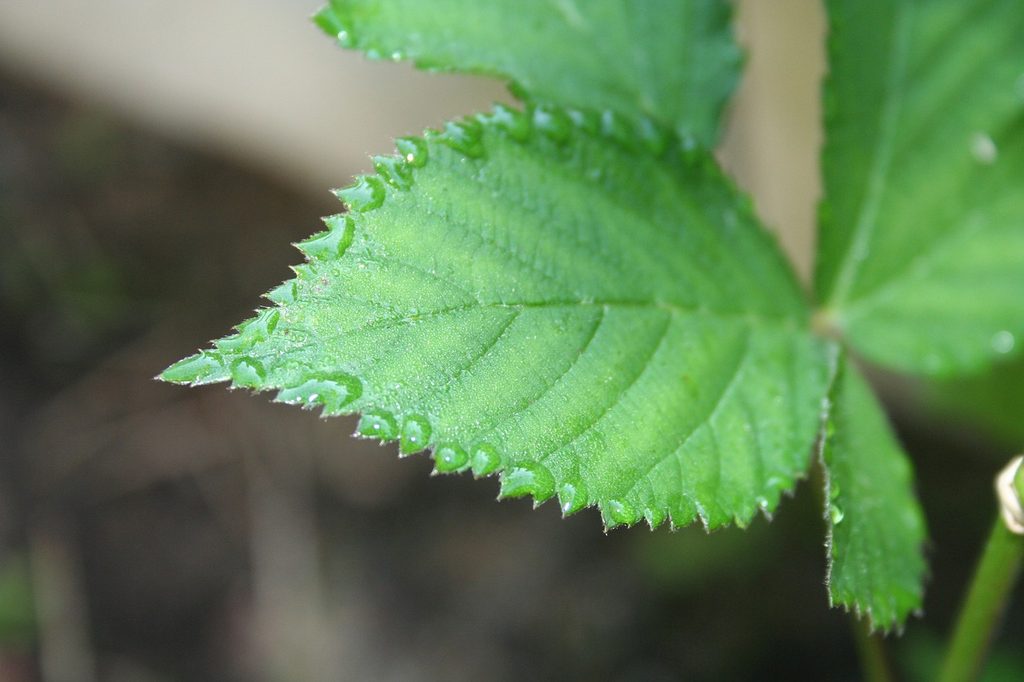
Blackberry leaves (Rubus fruticosus) have been used in traditional European herbalism since ancient times. They are loaded with plant-based compounds, vitamins, and protective antioxidants:
- Astringent Tannins for Digestive Health: Blackberry leaves are exceptionally high in hydrolysable tannins. Tannins have a natural “toning” effect on the digestive tract, making this tea a traditional folk remedy for soothing upset stomachs and mild indigestion.
- Sore Throats & Oral Hygiene: Thanks to its natural anti-inflammatory and mildly antiseptic properties, cooled blackberry leaf tea makes a fantastic natural mouthwash or gargle for sore throats, swollen gums, or mouth ulcers.
- Rich in Antioxidants & Vitamin C: The leaves are packed with flavonoids and polyphenols that help protect cells from oxidative stress while supporting immune health.
- Caffeine-Free Energy: Sipping blackberry leaf tea provides a soothing, nutrient-dense drink without the caffeine crash of standard black tea, making it a comforting evening brew.
Taking Herbal Remedies Further: While tea is a quick water infusion, you can extract even higher concentrations of plant medicine from wild herbs using different preparation techniques. Check out our beginner’s guide on how to make herbal infusions, decoctions, and tinctures at home to learn how to preserve your foraged plants for winter remedies.
When & How to Harvest Blackberry Leaves
To make the best tea, timing and location matter:
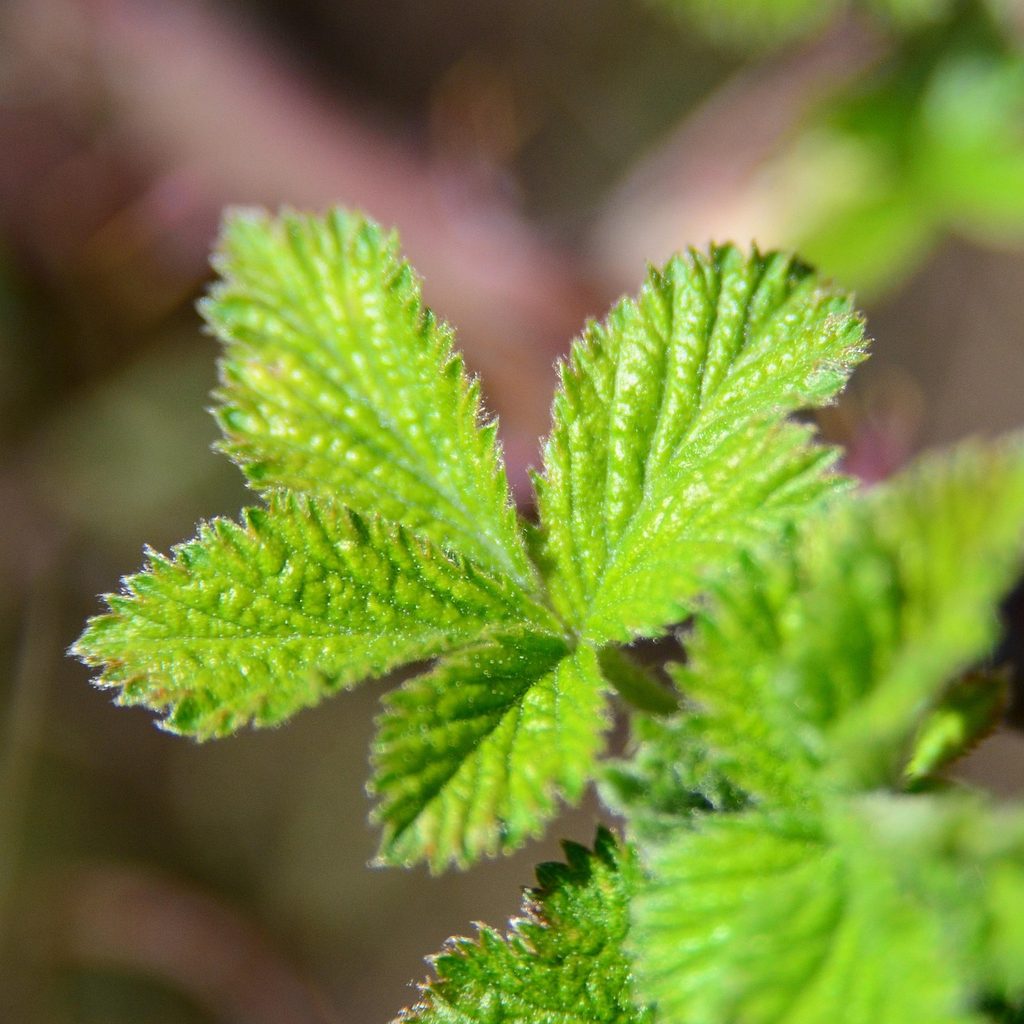
- Pick Young Leaves: Harvest fresh, bright green leaves in spring or early summer before the plant focuses its energy on fruiting. Younger leaves are more tender, contain higher levels of active compounds, and have fewer sharp prickles along the veins.
- Proper Identification: Ensure you are picking true bramble leaves (Rubus fruticosus). If you’re new to foraging or want a refresher on spotter tips, read our complete guide on how to identify wild blackberries and brambles safely.
- Choose Clean Foraging Spots: Always forage away from busy roadsides where plants collect traffic exhaust, and avoid field boundaries near commercial farmland that may have been sprayed with pesticides.
- Protect Your Hands: Even soft spring shoots can have tiny spikes on the underside of the leaf stem. Wear thin gardening gloves or carefully pinch off the top leaf clusters.
Why You Should Ferment Your Blackberry Leaves
You can brew tea simply by pouring boiling water over freshly picked or straight-dried leaves, but the result often tastes grassy and astringent.
Fermentation (bruising and oxidizing the leaves) transforms the flavor profile completely:
- Breaks down raw, bitter chlorophyll.
- Releases natural aromatic oils, producing a pleasant, sweet, floral scent.
- Enhances the tea’s natural astringent and therapeutic qualities.
- Produces a deeper, golden-brown liquor similar to traditional black tea.
How to Make Fermented Blackberry Leaf Tea (Step-by-Step)
Step 1: Crush and Bruise the Leaves
Bring your freshly gathered leaves home and gently crush them to break the cell walls and release their natural juices. You can do this by rolling them firmly between your palms, going over them with a rolling pin, or wrapping them in a clean tea towel and lightly pounding them.
Step 2: The Fermentation Process
Wrap the bruised leaves snugly inside a damp tea towel or cloth. Place the bundle in a warm, sunny spot, such as a bright windowsill, for 24 to 48 hours. Check on them periodically. You will know fermentation is happening when the green, grassy smell gives way to a sweet, floral aroma.
Step 3: Drying
Once the leaves smell fragrant, unwrap them and spread them out in a thin layer on a baking tray or clean towel. Leave them in a warm, dry, well-ventilated space (or use a food dehydrator on a low heat setting) for 1 to 2 days until they are completely dry and brittle to the touch.
Step 4: Storage
Crumble the dried leaves coarsely with your hands. Store them in an airtight glass jar or tea caddy kept in a cool, dark cupboard away from direct sunlight. Stored properly, fermented blackberry leaf tea will stay fresh for up to a year.
How to Brew the Perfect Cup
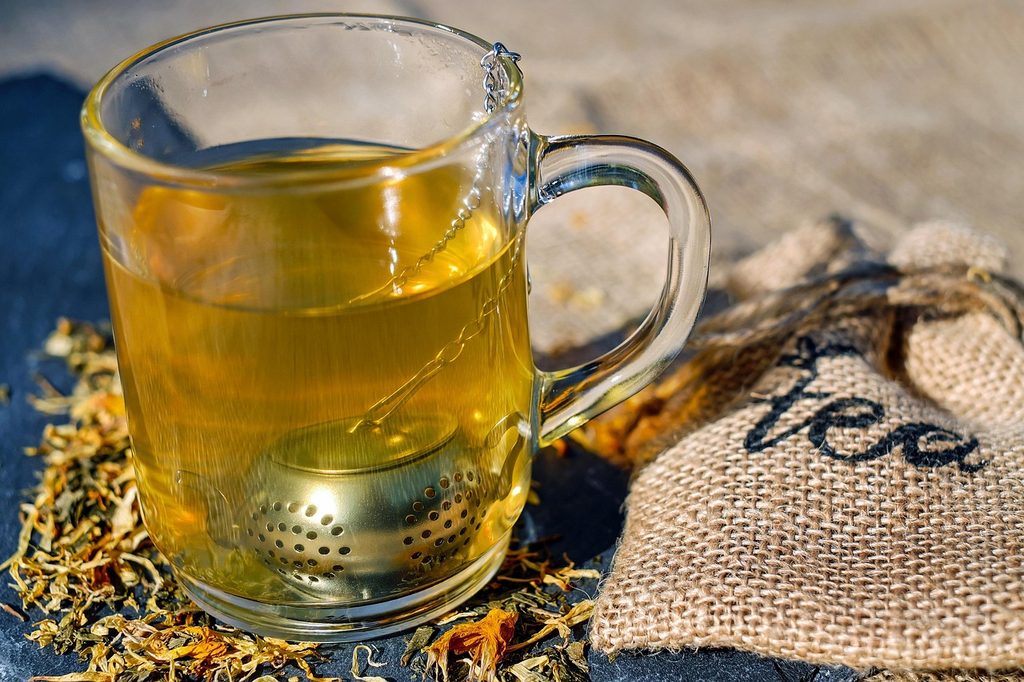
- Measure: Add 2 teaspoonfuls of dried, fermented blackberry leaves into a tea infuser, teapot, or mug.
- Pour: Top with freshly boiled water.
- Steep: Cover and allow the tea to steep for 5 to 10 minutes (steeping longer brings out more of the restorative tannins).
- Strain & Enjoy: Strain out the leaves and enjoy your free, wild-foraged tea!
Flavor Enhancements & Wild Blends
- Raw Honey or Lemon: A drizzle of local honey balances the tea’s gentle astringency, especially if you are sipping it to soothe a sore throat.
- Herbal Blends: Blackberry leaf makes a fantastic base for custom wild tea blends. Try mixing it with dried peppermint, nettle leaves, or rosehips from our wild food recipes collection.
Recommended Foraging & Brewing Gear
You don’t need expensive equipment to brew wild tea, but a few basic kitchen and foraging tools make the process much easier:
- Gardening Gloves: Essential for pinching young leaves without getting pricked by hidden bramble thorns.
- Fine-Mesh Stainless Steel Tea Infuser: A fine-mesh tea ball or basket strainer stops small leaf fragments from floating in your cup.
- Airtight Glass Jars: Storing your dried leaves in amber glass jars keeps moisture out and preserves the aromatic oils for up to a year.
- Food Dehydrator (Optional): If you forage in damp weather, a compact food dehydrator speeds up drying and guarantees your leaves won’t mould during storage.
Love Foraging for Fresh, Free Wild Foods?
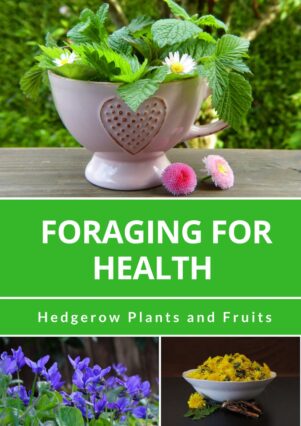
Discover how common hedgerow plants and wild greens can transform your health. In Foraging for Health: Hedgerow Plants and Fruits, Georgina Starmer shares a practical guide to identifying nutrient-rich wild edibles safely in the British countryside.
Start Foraging Your Own Wild Tea
Blackberry leaf tea is one of the easiest, most rewarding wild brews to make at home. It turns a thorny hedgerow leaf into a comforting, caffeine-free hot drink full of traditional herbal benefits. Next time you pass a patch of spring brambles, pinch a handful of clean young leaves and give fermenting your own wild tea a try!