Creating a wildlife-friendly garden is a win-win. You help create an eco-system that supports many creatures such as birds, bees and hedgehogs, plus you get to enjoy seeing nature at its best. You don’t need a huge garden or any specialist skills to make your outdoor space wildlife-friendly. Some of the best changes are actually really simple, cost very little, and can be done in just an afternoon. Whether you’ve got a big garden, a small patio, or even just a few pots, you can still make a meaningful difference to wildlife.
This guide brings together practical advice and simple ideas to help you turn your outdoor space into a thriving habitat for UK wildlife throughout the year. If you’re just getting started, you can begin with this step-by-step guide to creating a wildlife friendly garden.
Why Wildlife in Your Garden Matters
Across the UK, natural habitats are under pressure from urban development, intensive farming, and changing weather patterns. Because of this, gardens have become important refuges for wildlife.
Even small changes in your garden can help:
- Provide food sources during scarce months
- Offer safe nesting and shelter areas
- Support pollination for flowers and crops
- Encourage natural pest control
If you’re interested in how these changes work in practice, you might find it useful to explore what’s happening in your garden already. For example, what might be eating young seedlings, and how to deal with it naturally.
Feeding Garden Birds
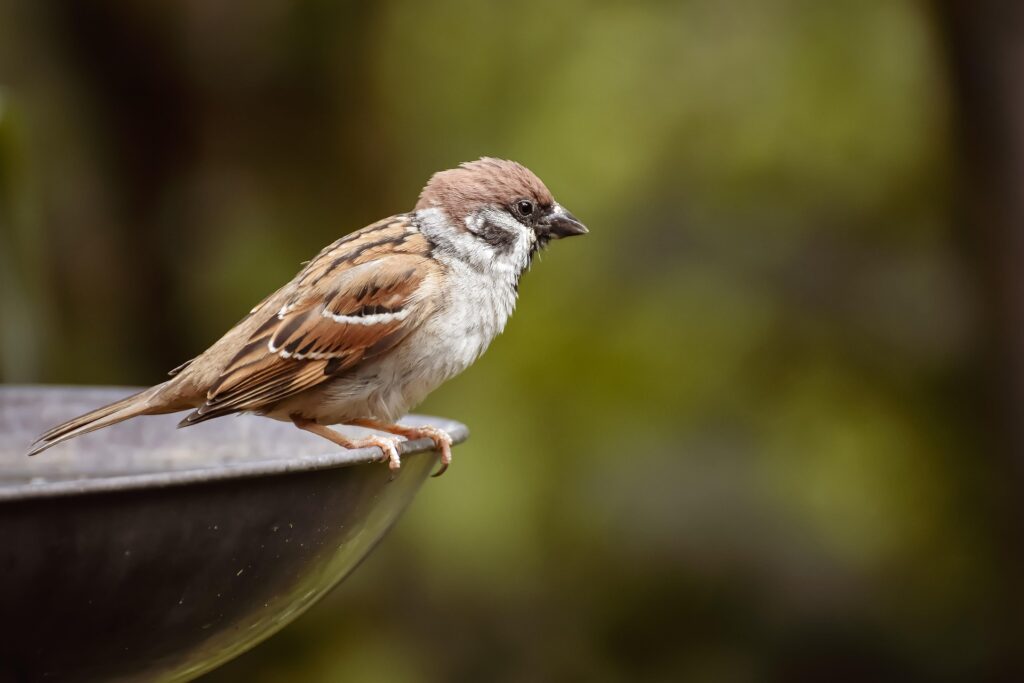
One of the easiest ways to support wildlife is by providing food for birds. Natural food sources can become limited, especially in winter and early spring, so supplementary feeding can make a real difference.
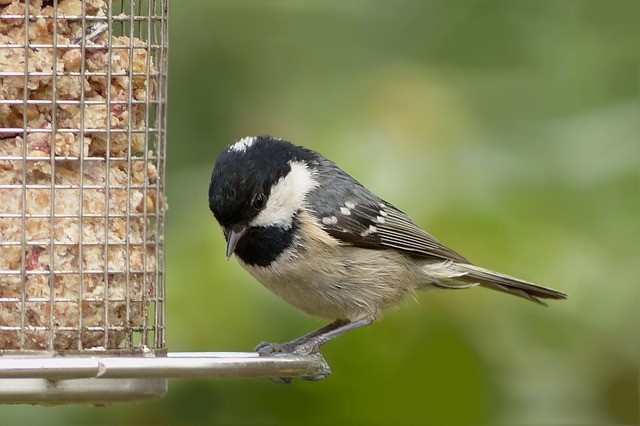
Birds benefit most from high-energy foods such as fat-based feeds, as well as seeds and grains suitable for different species. If you’re not sure where to start, a simple option like homemade fat balls is a great first step and attracts a wide range of garden birds.
You can also explore what foods are most suitable for different species in this guide to feeding garden birds throughout the year.
The way you feed birds also matters, and choosing the right feeders for garden birds can help reduce waste and keep food safe from pests.
Alongside food, fresh water is just as important, especially during colder months when natural sources may freeze.t. Birds need it for drinking and bathing all year round.
Supporting Hedgehogs and Small Garden Wildlife
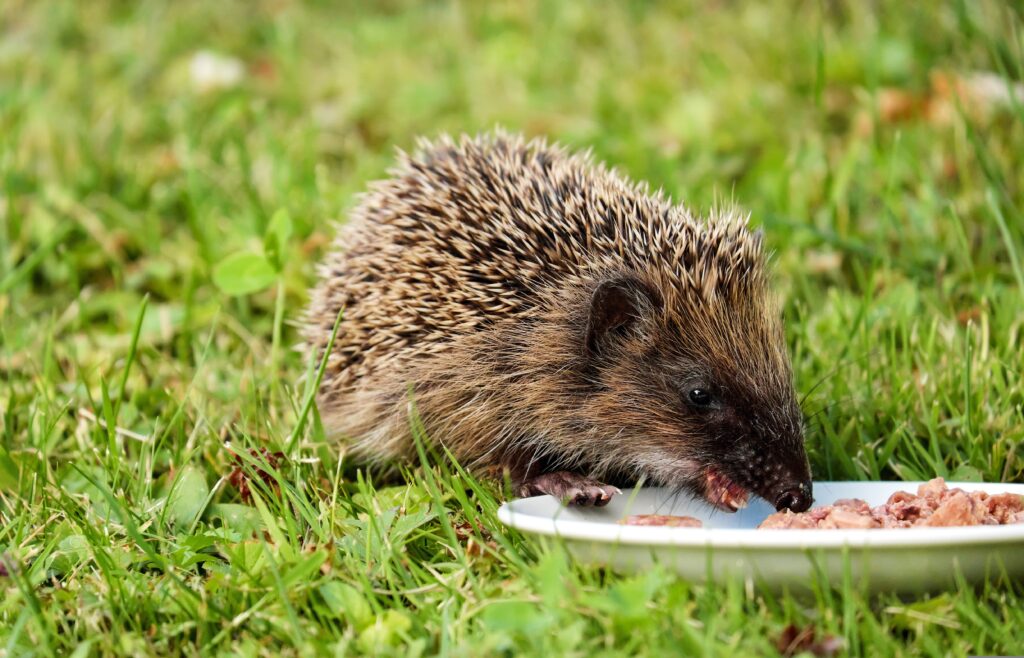
Hedgehogs are one of the UK’s most loved garden visitors, but their numbers have declined significantly in recent years. Gardens can play a key role in helping them survive and thrive. Hedgehogs naturally help control garden pests, making them valuable allies in maintaining a healthy ecosystem.
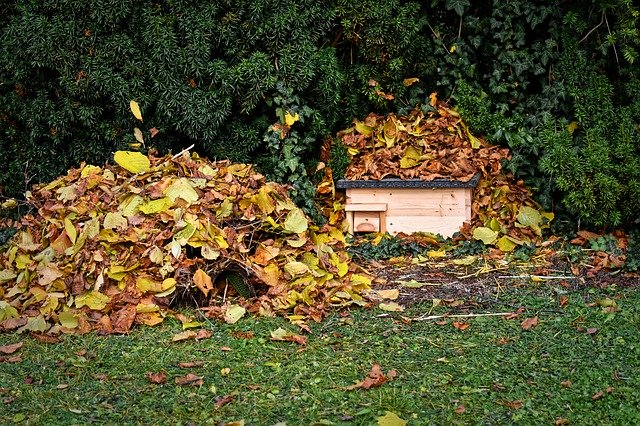
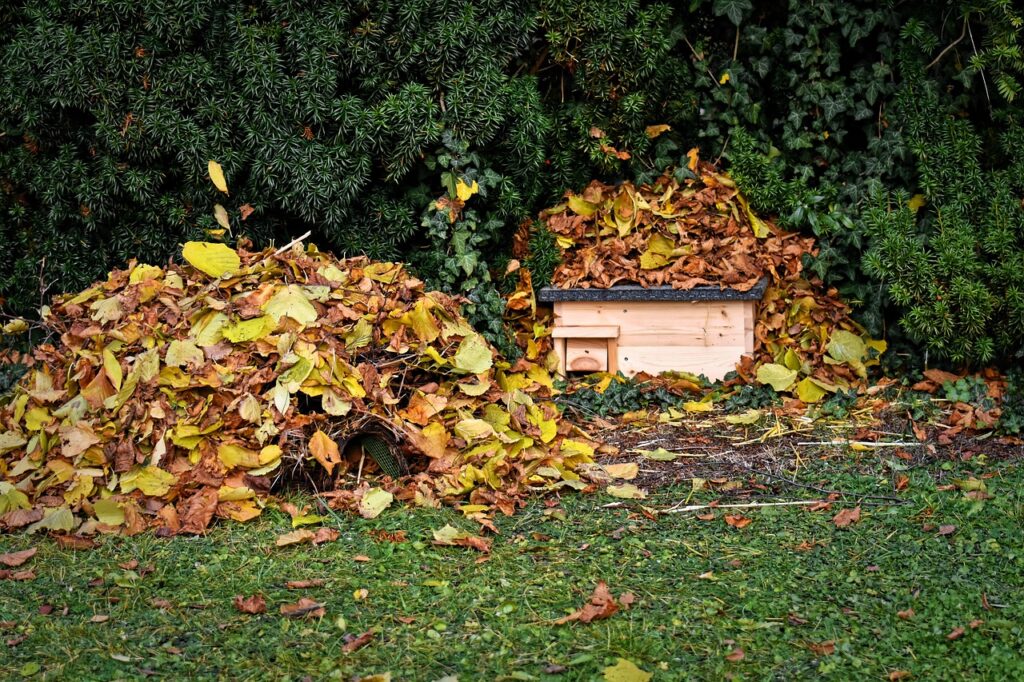
One of the most effective ways to support them is by providing safe shelter, and choosing the right hedgehog house can make a real difference to whether they settle in your garden or not. Also, simple changes such as allowing small gaps in fences, leaving quiet areas undisturbed, and avoiding harmful chemicals all help create a safer environment for them.
To check if hedgehogs or foxes are actually using these quiet shelter spots without disturbing them, take a look at our guide to the best wildlife cameras for gardens to capture night-time footage.
To understand how these changes fit into a wider wildlife-friendly approach, it’s worth exploring how to build a fully supportive garden environment to help hedgehogs in the garden.
Encouraging Bees and Pollinators
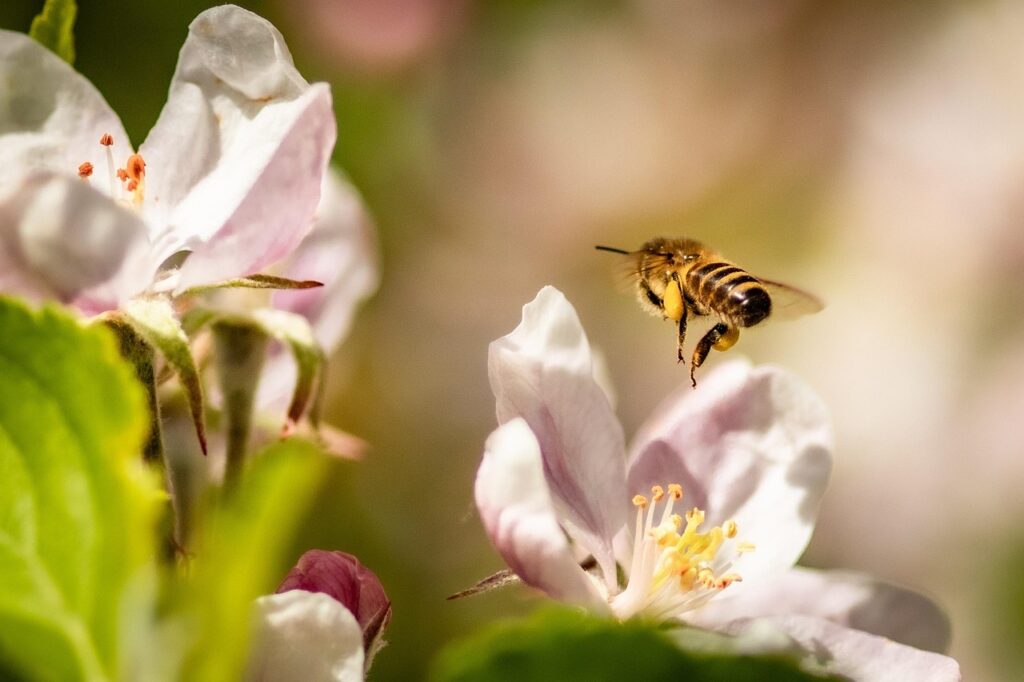
Pollinators such as bees, butterflies, and hoverflies are essential for plant reproduction and food production. Without them, many of the fruits and vegetables we rely on would struggle to grow.
Understanding the challenges bees face can help you make helpful choices in your garden, especially when selecting plants and managing habitats.
Even small gardens or containers can provide valuable nectar sources when planted with a variety of flowering plants that bloom at different times of the year. To learn more about what plant are best for bees, check out this post on making a bee friendly garden.
For a broader look at how pollinators fit into a balanced wildlife garden, see the main guide on creating a wildlife friendly garden.
Creating a Wildlife-Friendly Garden Environment
Beyond food and shelter, the overall structure of your garden plays an important role in supporting wildlife.
Helpful features include:
- Mixed planting with trees, shrubs, and ground cover
- Log piles, compost areas, and natural debris zones
- Using plants that support local ecosystems
- Avoiding over-manicured lawns in favour of varied habitats
The goal is not perfection, but balance. A slightly untidy garden is often far more beneficial to wildlife than a highly controlled one.
Seasonal Wildlife Care
Wildlife needs change throughout the year, and adjusting your garden care can make a big difference.
In winter, providing reliable food sources becomes especially important, as natural supplies are limited and energy demands are high. A helpful place to start is learning how to support birds during the colder months.
In spring and summer, focus shifts toward nesting support and maintaining food and water sources, while autumn is all about helping wildlife build energy reserves before winter returns.
Final Thoughts
A wildlife-friendly garden is not about strict rules. It’s about working with nature rather than against it. Every garden, no matter its size, has the potential to support local ecosystems and bring more life into your outdoor space.
By making simple, thoughtful changes, you can help protect UK wildlife while creating a garden that feels more natural, peaceful, and rewarding to spend time in.