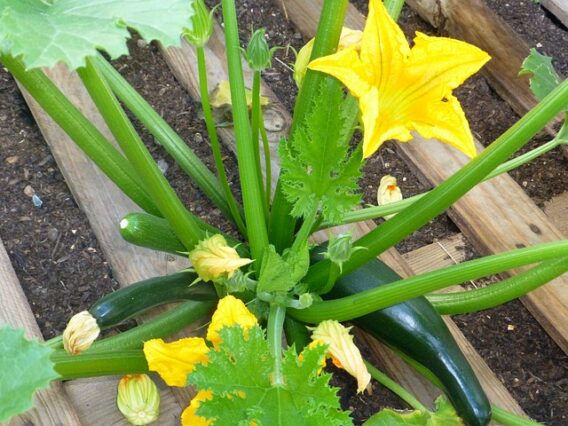
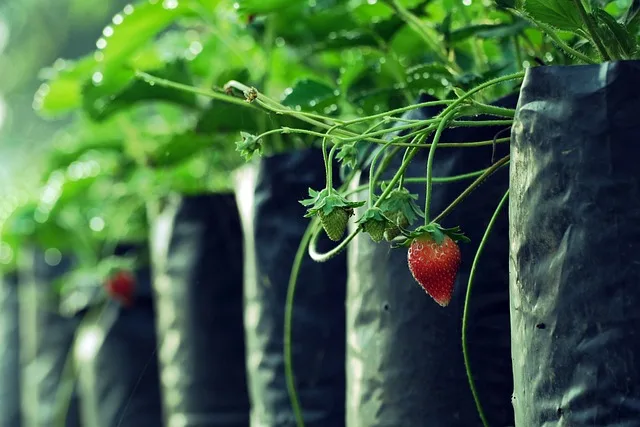
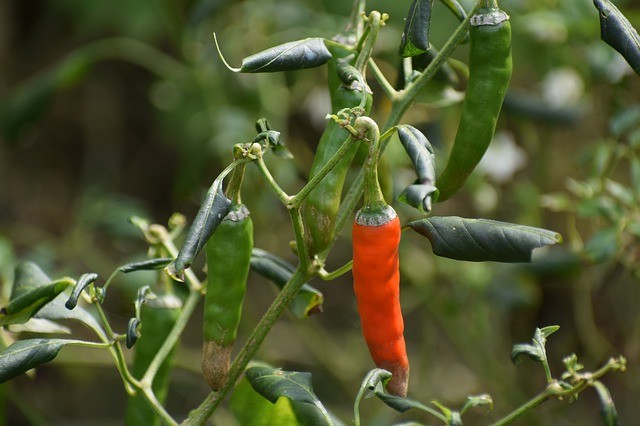
I don’t know about you, but I have a terrible memory when it comes to the garden. I’ll remember that something grew brilliantly, but six months later I can’t remember which variety it was. I’ll know I planted my potatoes later than usual, but have absolutely no idea when. That’s where a garden planner can be really useful.
It doesn’t have to be anything complicated. You don’t need to spend hours filling in tables or carefully planning every day of the growing season. A garden planner can simply be somewhere to make your garden design plans, keep track of what you’re doing and make a few notes about what happens along the way. Over time, those little notes become surprisingly valuable.
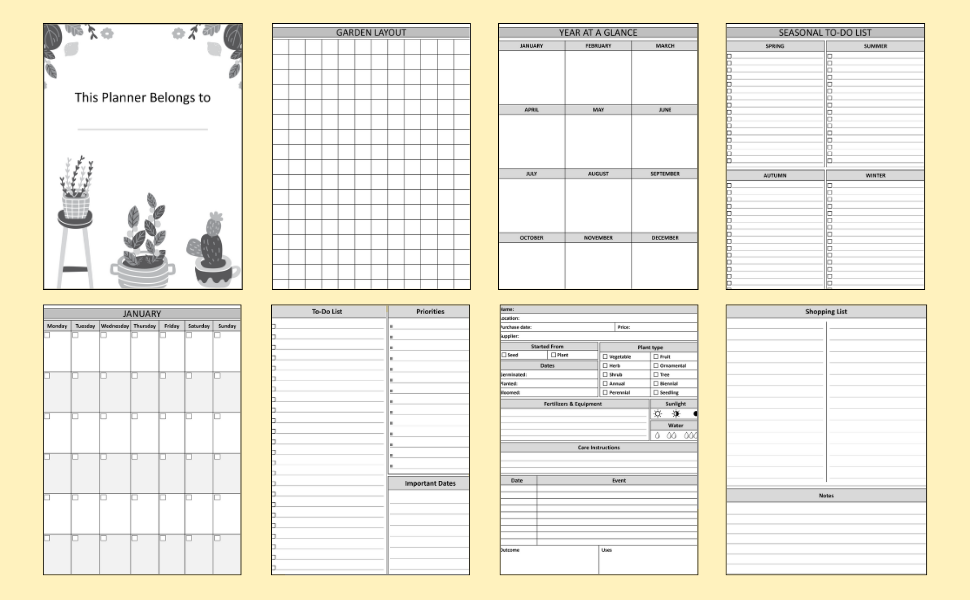
What can you put in a garden planner?
That really depends on your garden. If you’re growing vegetables, you might use your planner to keep track of when you sowed seeds, planted seedlings and harvested your crops. You can make a note of the varieties you grew too, which is particularly helpful when you find something that does really well and want to grow it again.
You can also use it to plan the jobs you need to get done throughout the year. There are always things to remember in the garden, from sowing seeds and planting out to pruning, feeding and preparing beds.
If you are making new beds or borders, you can use a planner to design garden layout. Or use it as an garden planner for vegetable crops.
Then there are all the little things you notice while you’re actually outside gardening. Maybe your strawberries were much better this year. Perhaps your broad beans took ages to get going but then produced more than you knew what to do with. Maybe the tomatoes you grew last year were a complete disappointment. Write it down.
It might not seem important at the time, but you’ll be very glad you did when you’re trying to decide what to grow next year.
Don’t just record the successes
It’s tempting to fill a garden planner with all the things that went well, but I think the failures are just as useful.
If a particular variety struggled, make a note of it. If something was planted too early and got caught by a late frost, write that down too. You might also discover that something you thought would be perfect for your garden simply wasn’t. That’s all part of gardening.
Having it written down means you don’t have to make the same mistake the following year. And it can be surprisingly easy to forget those lessons once winter arrives and you’re looking at seed catalogues again, full of optimism.
Make a note of the weather too
Weather has such a big influence on the garden that it makes sense to include a few weather notes in your planner.
You don’t need to record the temperature every single day. Just make a note when something is unusual or when the weather has clearly affected your plants.
A late frost in May, a long dry spell in June or an unusually wet summer can explain a lot when you look back at your growing season.
For example, if your vegetables didn’t do particularly well one year, it might not have been anything you did wrong. Perhaps the soil stayed cold and wet for weeks, or there was a long period of dry weather just after you planted them.
Having a few weather notes alongside your gardening records gives you a much clearer picture of what was actually happening.
A garden weather station can be useful
If you’re interested in keeping a closer eye on what’s happening in your garden, a weather station can take this a step further.
Rather than just checking the forecast for your nearest town, you can see what’s happening right where you live. Depending on the weather station, you can keep track of things such as temperature, rainfall and humidity.
This can be particularly handy when you’re trying to understand your garden. For example, you might notice that one year was much wetter than the previous one, or that temperatures stayed unusually low when you were trying to get seeds started.
You don’t need a weather station to keep a garden planner, of course. But if you enjoy keeping records and figuring out what makes your garden tick, they work rather nicely together.
I’ve put together a guide to choosing a weather station for your garden if you’d like to have a look at what’s available and what features are worth considering.
Your garden planner doesn’t have to be perfect
I think this is probably the most important thing. Don’t set yourself up with a system that is so complicated you don’t want to use it.
You don’t need to write something every day. You don’t need perfect records. And you certainly don’t need to feel guilty because you forgot to fill it in for three weeks. Just add things when you think of them.
A quick note saying “first strawberries today” is enough. So is “very dry June – watered constantly” or “don’t grow these tomatoes again!”
Those are the things you’ll actually want to know when you come back to your planner later.
A garden planner you can actually use

If you’d like to keep your garden records on paper rather than creating your own system, we’ve put together our own Garden Planner.
It’s designed to give you somewhere to keep all those useful bits of information in one place, from planning what you’re going to grow to keeping notes about how things have actually gone.
You can take a look at the Garden Planner here if you’d like to see what’s included.
Look back before you start again
This is where keeping a garden planner really starts to pay off. When spring comes around again, you can look back at what you did the previous year instead of trying to remember.
You’ll have a record of what you planted, when you planted it, what grew well, what didn’t, and what the weather was doing at the time. You might even spot things you hadn’t noticed before. The longer you keep your records, the more useful they become.
A garden planner isn’t really about creating a perfect plan for your garden. It’s about getting to know your garden a little better every year.
When you combine your planting notes with a few observations about the weather, you start building up something that’s genuinely useful – your own record of what works, what doesn’t, and what you want to try next.