
There is an old saying that “an apple a day keeps the doctor away,” and our native wild crab apples (Malus sylvestris) are no exception. Though much smaller, firmer, and far more sour than modern cultivated apples, these wild hedgerow treasures are packed with nutrition, traditional health benefits, and natural cooking power.
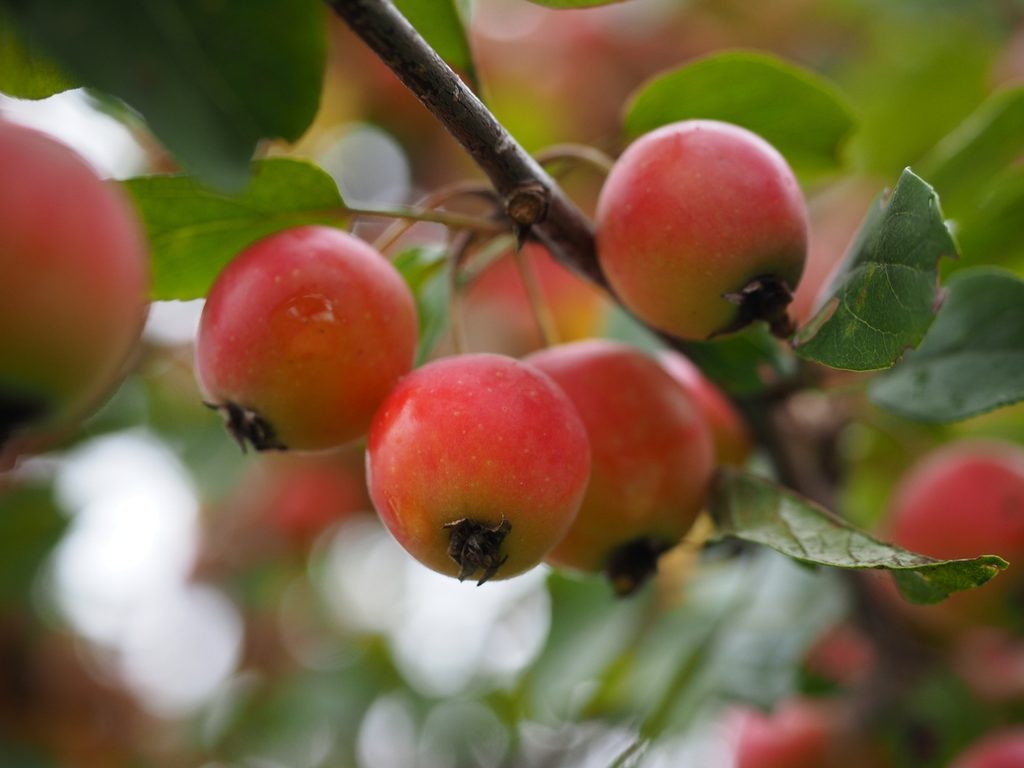
Whether you are looking to brew wild syrups, make traditional crab apple jam, or boost your autumn intake of natural antioxidants, here is everything you need to know about the nutritional value and health benefits of crab apples.
The Nutritional & Health Benefits of Crab Apples
While wild crab apples are usually too tart to eat straight off the tree, their dense nutritional profile makes them a fantastic addition to wild food recipes, preserves, and traditional remedies.
1. High in Vitamin C & B-Complex
Crab apples are a brilliant seasonal source of Vitamin C, which supports a healthy immune system during the changing autumn weather. They also contain essential B vitamins that help your body convert food into sustained energy.
2. Rich in Antioxidants & Tannins
Like many wild fruits, crab apples are loaded with polyphenols, flavonoids, and astringent tannins. These natural antioxidants help protect cells from oxidative stress, lower bodily inflammation, and support long-term heart health.
3. Excellent Source of Natural Pectin
Crab apples are famous in the hedgerow kitchen for having exceptionally high levels of pectin, a soluble fiber found in the cell walls of fruit. Pectin offers two big benefits:
- Health Benefits: Studies show pectin helps support healthy digestion and can assist in managing cholesterol levels.
- Culinary Magic: Pectin is the natural setting agent used in jam and jelly making. Because wild crab apples contain so much natural pectin, foragers often add a handful of them to low-pectin jams (like blackberry or strawberry) to get a perfect set without buying artificial setting sugar!
4. Malic & Tartaric Acids
Crab apples get their sharp, mouth-puckering bite from high concentrations of malic and tartaric organic acids. In traditional herbal lore, these acids were prized for helping treat conditions associated with inflammation, fever, and gout, while also aiding digestive efficiency.
What About Apple Pips? (Safety & Cyanide Myth)
A common concern among beginner foragers is whether wild apple seeds are dangerous.
It is true that apple pips, both cultivated store-bought apples and wild crab apples, contain small amounts of a compound called amygdalin, which breaks down into hydrogen cyanide when chewed or crushed. However, this is not something to worry about.
- Hard Outer Shell: If you accidentally swallow a few whole pips while eating or pressing apples, they simply pass through your digestive system completely intact without releasing any chemicals.
- Quantity Required: To suffer any ill effects, an adult would need to thoroughly chew and consume hundreds of crushed pips in a single sitting.
Simply core your crab apples before blending, or strain out the seeds and pulp when making jellies or juices!
How to Use Crab Apples in the Kitchen
Because of their tartness and high pectin content, crab apples really shine when processed into wild preserves:
- Traditional Crab Apple Preserve: A tangy jam that tastes delicious on toast or served alongside roasted meats.
- Pectin Extractor: Boil crab apples with water and strain the liquid to make a free, natural pectin stock for your other wild jam recipes.
- Wild Apple Cider Vinegar: Ferment crushed crab apples with water and raw sugar to create a probiotic-rich, gut-healthy vinegar base for salad dressings.
- Spiced Crab Apple Cheese or Butter: Slow-cook the fruit with cinnamon, cloves, and honey for a thick, spreadable autumn treat.
Cider: Crab apples are great for home-brewing, but if you just use crab apples for cider making, you may create cider that’s an acquired taste. However, adding some crab apples to cultivated ones for cider making adds an interesting flavour. Aim for about 10% crab apple for a tasty, wild flavoured brew.
Stewed Apple: Another way to use crab apples is to simply remove the cores by cutting down four sides, leaving just chunks of crab apple. Put in a pan, cover with water and gently simmer until you have a lovely apple pulp. This can then be separated into portions, and put in the freezer for you to use as you wish. Sweeten and add to fruit pies and pastries, add spices to make a sauce for meats, or use a little to liven up a casserole!
Foraging Tips: Spotting Wild Crab Apples
When searching hedgerows and woodland edges in autumn:
Look for the Size: True wild crab apples are small, usually the size of a golf ball or ping-pong ball, ranging in color from bright yellow-green to flushed crimson.
Check the Leaves & Bark: Look for small, ovate leaves with finely serrated edges. The trees are often gnarled and bumpy, sometimes featuring thorn-like spurs on older branches.
Avoid Roadside Pollution: Always forage away from busy main roads to ensure your fruit hasn’t picked up vehicle exhaust fumes or road grit.
Want to Explore More UK Wild Edibles? Check out our complete guide to common autumn foraging foods to learn how to identify wild berries, nuts, and greens safely!
Recommended Foraging Gear & Guides
- A Sturdy Canvas Foraging Bag: Perfect for collecting heavy wild apples without bruising the skins.
- Jam Strainer Bag: Essential for straining cooked crab apple pulp to get crystal-clear jelly without cloudiness.
Conclusion: Are Wild Crab Apples Safe to Eat and Good for You?
Don’t let the sharp taste of wild crab apples fool you! These small hedgerow fruits are powerhouse sources of Vitamin C, antioxidants, and natural pectin. By turning them into jams, syrups, and preserves, you can bring the health benefits of the wild orchard straight into your pantry!
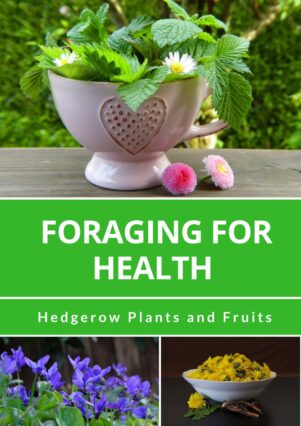
Love Foraging for Fresh, Free Wild Foods?
Discover how common hedgerow plants and wild greens can transform your health. In Foraging for Health: Hedgerow Plants and Fruits, Georgina Starmer shares a practical guide to identifying nutrient-rich wild edibles safely in the British countryside.


